Unlocking the Power of Google's Helpful Content Algorithm Update for Your SEO Strategy
Google's algorithm updates are always changing the way content is ranked in search engine results. This recent update, known as Google's helpful content algorithm update, is designed to reward content that is helpful and informative to its readers. In this blog post, we'll discuss what the implications of this update are for SEO strategies and how to best use Google's helpful content algorithm to your advantage. We'll explore how to create better content to reach the top of search engine rankings, and how to optimize other existing pages on your website.
Introduction Unlocking the Power of Google's Helpful Content Algorithm Update
With the recent algorithm updates by Google, understanding how to optimize SEO rankings and take advantage of these changes is key for businesses looking to increase their organic search visibility By implementing the proper techniques, businesses can unlock the power of Google’s helpful content algorithms and reap the benefits from increased website traffic.
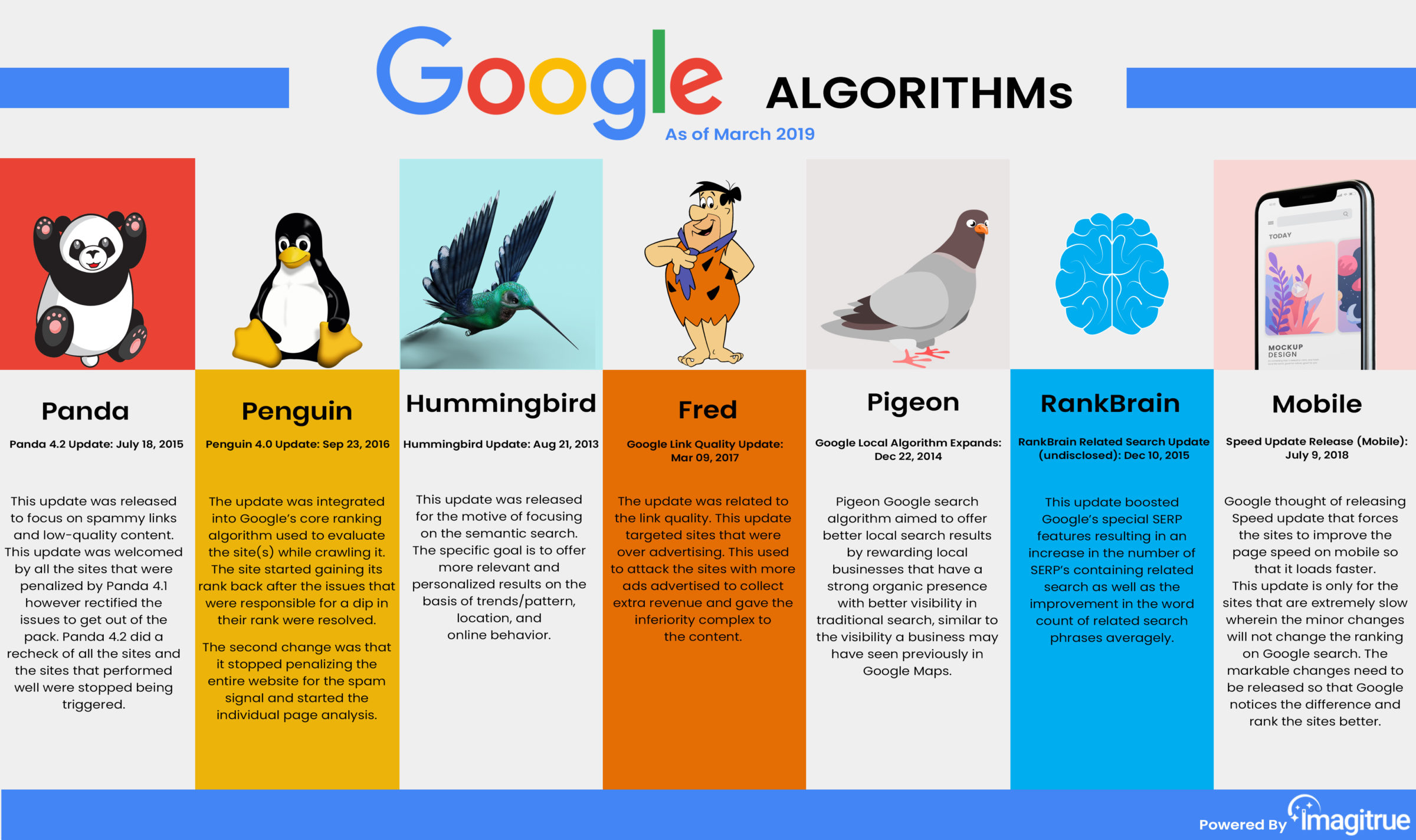
From core algorithms like Panda and Penguin to mobile-first indexing, alterations in keyword targeting strategy due to Hummingbird and RankBrain - each update has resulted in a shift in best practices for search engine optimization (SEO Knowing how these changes influence your ranking potential is crucial if you are striving for high performance on SERPs.
As such, it promotes competition amongst webmasters as they aim to improve their sites' top SERP positions with sophisticated keyword approaches that adhere to new rules set out by Google’s algorithm refreshes The goal must be far more than simply creating great content; instead every factor should come together including targeted keywords along with technical elements such as page speed or loading time.
Search engines have begun rewarding sites that serve up well-informed content created specifically around user needs while penalizing those not bearing relevance nor pursuing consistency when compared within similar sector websites operating under the same geographical parameters The focus therefore should shift from quantity versus quality of text among all platforms advertising products or services via organic reach – aiming instead at delivering an optimized experience with easy navigation through rich informative content provided throughout various channels.
As new information continues becoming available regarding recent algorithmic updates made by Google – blog post authors may want to consider consulting with industry experts before making any significant modifications intended toward optimizing site rankings Careful analysis should be conducted first to prioritize tasks accordingly before attempting to pursue any significant change within existing codebase which could negatively impact position both short-term & long-term respectively.
What Does the Update Mean for SEO Strategies?
Google’s algorithm updates often cause ripple effects across the industry and these changes can be difficult to keep up with. As a result, understanding how they affect your SEO rankings is essential. This blog post will help provide an overview of recent Google algorithms that have recently been released and how they may impact your strategies moving forward.
One of the most notable changes in recent years has been Google’s shift towards mobile-first indexing, which has caused many websites to adjust their strategies accordingly. In addition, Google's BERT algorithm update was designed to better understand natural language queries by analyzing word relationships within context, allowing for more accurately targeted results when users search for answers on the web. Further tweaks such as Rankbrain have also provided enhancements like automated classification and personalization of search engine results pages (SERPs).
As you likely realize from this brief overview alone, staying ahead of these ever-changing algorithms can seem daunting even for experienced professionals or agency teams who already know some tricks about improving visibility online through SEO tactics. With so much at stake – not only in terms of rankings but customer loyalty as well – it is important to stay up-to-date on all the latest news surrounding Google’s new updates and trends if you want to ensure success moving forward.
When trying to evaluate how particular elements might affect your SEO ranking specifically - such as page speed optimization or following other best practices - having access to reliable data analysis tools becomes especially valuable because, without this kind of information, it can be hard to tell if certain aspects are making a real difference in overall ranking performance or not. Meanwhile focusing on things like keyword research and creating content tailored toward search engine query intent remain two fundamental aspects when building out any successful SEO strategy regardless of whether any major algorithmic shifts have occurred recently or not.
Ultimately taking into account all relevant factors related both directly and indirectly related to each algorithm change going forward remains key when figuring out the ultimate impact those adjustments are likely having on your website traffic levels overall [not just organic]. With that knowledge, it's easier for marketers everywhere to devise marketing strategies tailored specifically toward conditions dictated by said changes instead of blindly adapting based entirely on speculation which inevitably leads nowhere fast!
How to Use Google's Helpful Content Algorithm to Your Advantage
Google continues to update and improve its algorithms to give users a better experience when they search the internet. This means that SEO rankings can be affected by these changes, as new strategies need to be implemented for websites to reach the top of search engine result pages (SERPs).
Understanding how recent Google algorithms affect SEO rankings is essential for any digital marketer or online business. In this blog post, we will provide a comprehensive guide on how you can use Google’s helpful content algorithm to your advantage and master the latest trends in SEO ranking. The most significant change that Google has made recently was their algorithmic shift from keywords-based optimization towards quality content.
As part of this change, sites are required to have well-written and informative articles that address customer queries directly instead of relying solely on targeted keywords for higher search results placement. To make sure your website ranks highly with current Google algorithm updates, it is important to:
Produce engaging content with relevant topics and clear answers designed specifically for the reader’s needs.
Ensure key phrases used throughout posts accurately reflect the customer's intent when searching so you retain high visibility in SERPs.
Maximize your website's presence within SERPs. Take into consideration other elements such as title tags which should contain appropriate keyword phrases; meta descriptions which describe what potential customers would find when visiting the page; ALT tags behind images which cater towards visual searches; internal links between similar webpages; attractive headlines incorporating target words & strong pictures/videos if needed - all necessary components reflecting an effective SEO strategy currently utilized by companies looking stay ahead competition.
Enhance user experience to generate greater return visitors and adhere to popular standards like AMP technology when applicable to speed up page load time in mobile devices regardless of network connectivity strength to make your site available for various audiences.
Emphasizing the effects of recent google algorithms updates is crucial in maintaining success in terms of traffic and ranking in the long term.
Creating Better Content to Reach the Top of Search Engine Rankings
Recent Google algorithms can have a huge impact on the success of your website’s search engine optimization rankings. Many internet users rely on these rankings to decide whether they should visit your page or move on to the next one in their results list. As such, webmasters and content creators must understand how recent changes from Google affect SEO and make sure their content reflects those updates. Google routinely updates its algorithms for a variety of reasons, including improving user experience by providing more accurate search results and combating spam websites that attempt to manipulate its algorithm.
Recent changes include BERT, which stands for Bidirectional Encoder Representations from Transformers; Rank Brain, which uses machine learning technology; and Core Updates which focus on different aspects of ranking sites like quality control and E-A-T (Expertise Authority Trustworthiness.
While each update has different effects on SEO depending upon what type of website you have or is trying to create, overall there is a trend towards prioritizing high-quality content over older tactics like keyword stuffing or low-grade links. To properly optimize for Google’s latest algorithms, every piece of content needs to be well-researched with relevant information backed up by experts in the field – preferably through links provided in the text itself – as well as optimized keywords used appropriately without being too repetitive or forced into sentences where they don’t fit grammatically.
Additionally, focusing on topics rather than just individual terms helps build authority since it proves a comprehensive understanding beyond single words alone. In addition, attention should also be paid to producing shareable social media posts with linked visuals like videos and GIFs plus clickbait titles with catchy phrases designed to draw readers into an article once they end up seeing them scrolling through their feeds.
These tips may seem simple but even one small mistake can lead to lower search engine rankings due to strict penalties applied when certain rules are broken during optimization processes accordingly. The Algorithm Project's Code Audit data analysis report - this makes staying updated important! By optimizing content according to recent Google algorithm trends mentioned above you will be able to maximize storytelling techniques. Supplying details that provide more organic SEO value leading to improved online visibility attracts maximum viewership and traffic.
Optimizing Existing Content for SEO Success
The SEO landscape is constantly changing as Google algorithms are updated and rewritten.
To ensure a website’s continued success in search engine rankings, webmasters need to stay up-to-date on the most recent changes and trends.
Webmasters must understand these potential changes so they can adjust their strategies accordingly and remain competitive within their respective industries or niches Through this blog post readers will gain a deeper understanding of how recent Google updates impact organic search queries as well as learn proven techniques to maximize a website's content impact in SERPs (Search Engine Result Pages).
Various aspects of SEO require ongoing attention from site owners if they want to succeed online; however, some factors may become outdated with each new algorithm update from Google such as:
keyword density requirements
use of specific meta tags
relevant elements when creating or updating any content for an optimal position in SERPs
unique content creation
effective backlink-building strategies
image optimization techniques
mobile friendly design
This resource serves mainly those who already know at least something about SEO because our primary objective was covering every single aspect regarding recently released algorithmic alterations - beginners don't despair after reading this, you too should possess sound knowledge towards proper optimization according to future algorithm changes.
Best Practices for Utilizing the Algorithm Update
As a digital marketer, staying up to date on the changes and optimization techniques created by recently updated Google algorithms can be extremely beneficial. With every algorithm change comes the potential for vast increases or decreases in search engine rankings (SERPs) of websites and online content. Understanding the effects that each update can have not only allows you to improve your own website's performance but also gives you an edge when helping clients optimize their web presence.
This blog post dives into best practices for utilizing recent Google Algorithm updates to maximize SEO rankings.
To begin, it’s important to understand what exact changes occur when an algorithm is updated—what type of information is impacted? What types of content receive more emphasis or are deprioritized? The answers will vary from algorithm update to algorithm update, however, some trends become more evident over time based on data analysis and analytics pulled from SERP patterns after these updates take place.
It’s recommended that marketers track SERP shifts following major updates which may help inform strategy in regards to optimizing specific keyword phrases related to content pieces across their website or any other platforms they manage such as social media channels or blogs/ forums etc.
Observing which elements demonstrate movement within results pages could potentially provide some insight regarding which areas should be targeted going forward concerning SEO efforts & optimization strategy. In addition to understanding what factors are impacted during an algorithm change, it’s equally important that marketers review additional supporting data & metrics associated with each piece of content as well; such as bounce rates, time spent on the page, etc… These details along with assessment around topical relevance - given current events & industry happenings - can prove useful when planning out future optimizations too! Knowing exactly how visitors interact with particular pieces once published should ultimately allow one to make decisions around tweaking existing strategies (if necessary vs creating entirely new ones altogether depending upon results observed thus far [for those relevant pieces]. Paying attention here could make all the difference come the ranking day!
Finally, keeping up-to-date with individual platform guidelines is essential whenever this process kicks off - whether updating titles/ meta descriptions throughout various posts across site pages OR exploring fresh ways to inject keywords without triggering red flags either due to ‘keyword stuffing'.
Furthermore, even small tweaks like fixing broken links embedded throughout textual sections elsewhere might just lead to major improvements overall. Thanks mainly to clean-up suggestions provided by automated web crawlers and spiders currently employed by multiple large-scale search engines today (Google). If these elements aren't taken into account before launching, chances are, it inevitably falls flat right away leaving much left unsaid before the full launch is announced -- so double-check everything and make sure nothing is overlooked.
Conclusion Maximizing Your SEO Strategy with Google's Algorithm Update
In recent years, Google has made major changes to its algorithms to keep up with the ever-changing search engine environment These updates can have a huge impact on SEO rankings and ultimately affect how brands can position themselves online marketers need to stay abreast of these algorithm changes so they can strategize accordingly and take advantage of any potential opportunities that arise from them
The most recent Google Algorithm update was announced back in February and included several significant adjustments aimed at improving user experience and overall search engine optimization effectiveness. Some of these include improved content relevance scores, increased focus on mobile optimization requirements, more precise keyword targeting, integration of AI into ranking factors, as well as numerous other technical adaptations designed to enhance performance across platforms.
As it relates specifically to SEO rankings, some of the biggest impacts from this update come from new guidelines regarding core web vitals such as page load times for desktop/mobile devices and site security measures like HTTPS protocol implementation where applicable. Given that Google is always looking for ways to make their results pages smoother for end users, it makes sense why these factors would be taken into consideration when determining visibility within a SERP (Search Engine Results Page
Additionally, this latest round of algorithmic shifts puts added emphasis on website speed optimizations which can drastically influence key metrics like bounce rate and average time on page - all elements that may play an integral part in where your domain is placed relative to competitors who might also be vying for similar terms or phrases within the same realm topics.
Although there will inevitably still be more tweaks made throughout —and beyond—having an understanding of how current algorithmic trends are being implemented into indexing systems will allow digital marketers & brand owners ample opportunity to seize upon relevant strategies while adhering to best practices set forth by tech giants like Google!
Google's latest Algorithm Update has brought a lot of power and potential to our SEO strategies. By understanding the effects of the algorithms on our rankings and following best practices for utilizing them, we can maximize our strategy to get the most out of the update. With careful implementation, Google's content algorithm update has tremendous potential to help us drive more traffic and higher conversions through organic search.


Comments
Post a Comment